
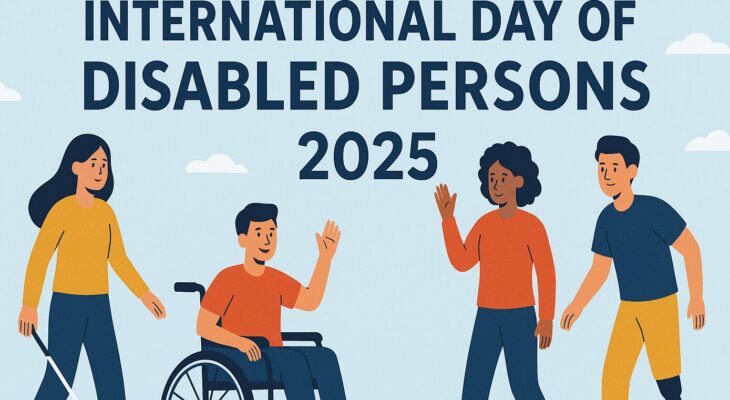
Today, the 3rd of December 2025, is the International Day for Disabled People (IDDP). It’s a day where we highlight the need for accessibility in all walks of life for everyone. The theme for this year is “fostering disability inclusive societies for advancing social progress.”
I’d like to highlight a few areas where accessibility in society still needs improvement, based on my own experiences: subtitled movies at the cinema, hotel accessibility, and flight accessibility.
More subtitled movies are needed
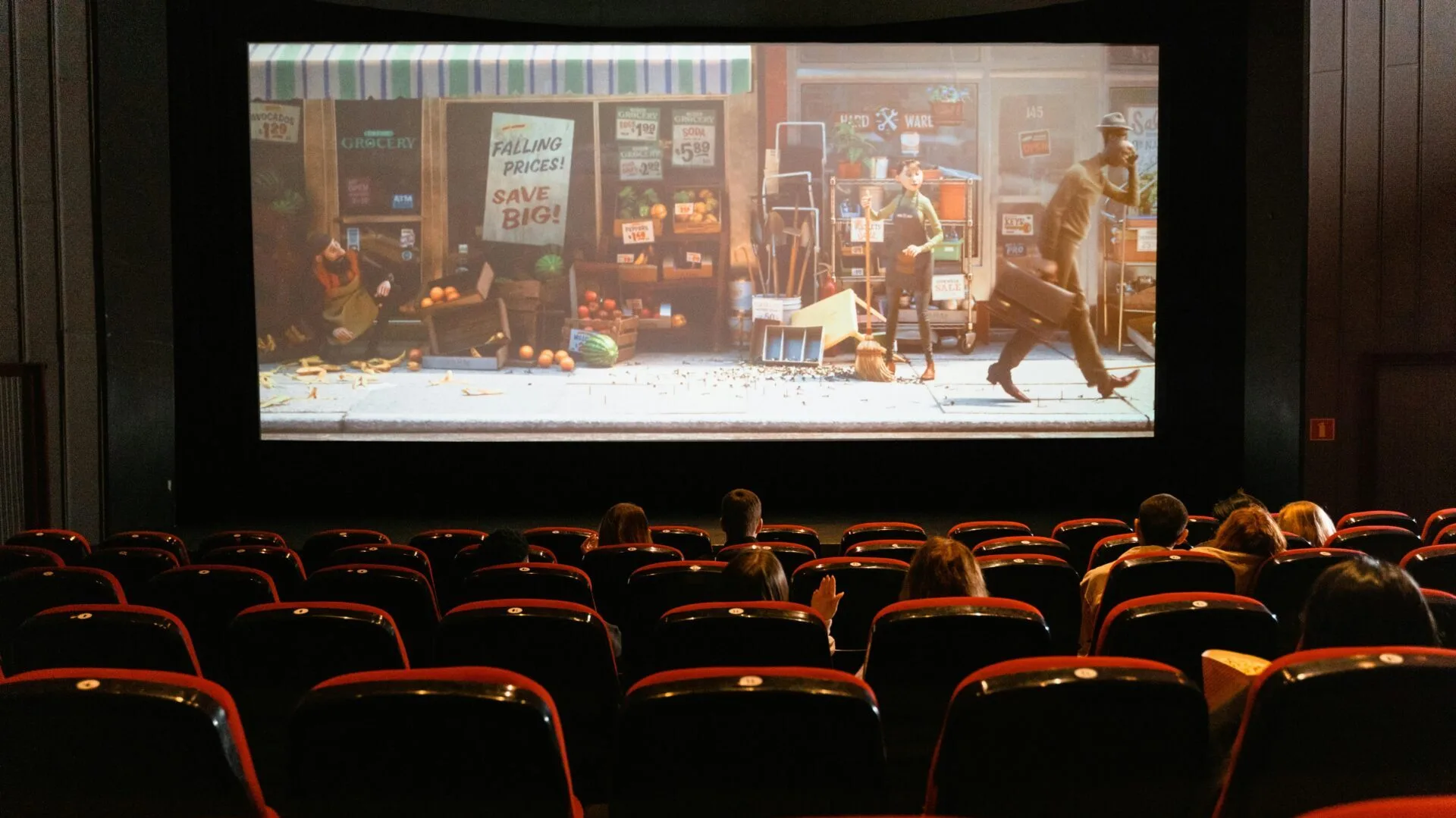
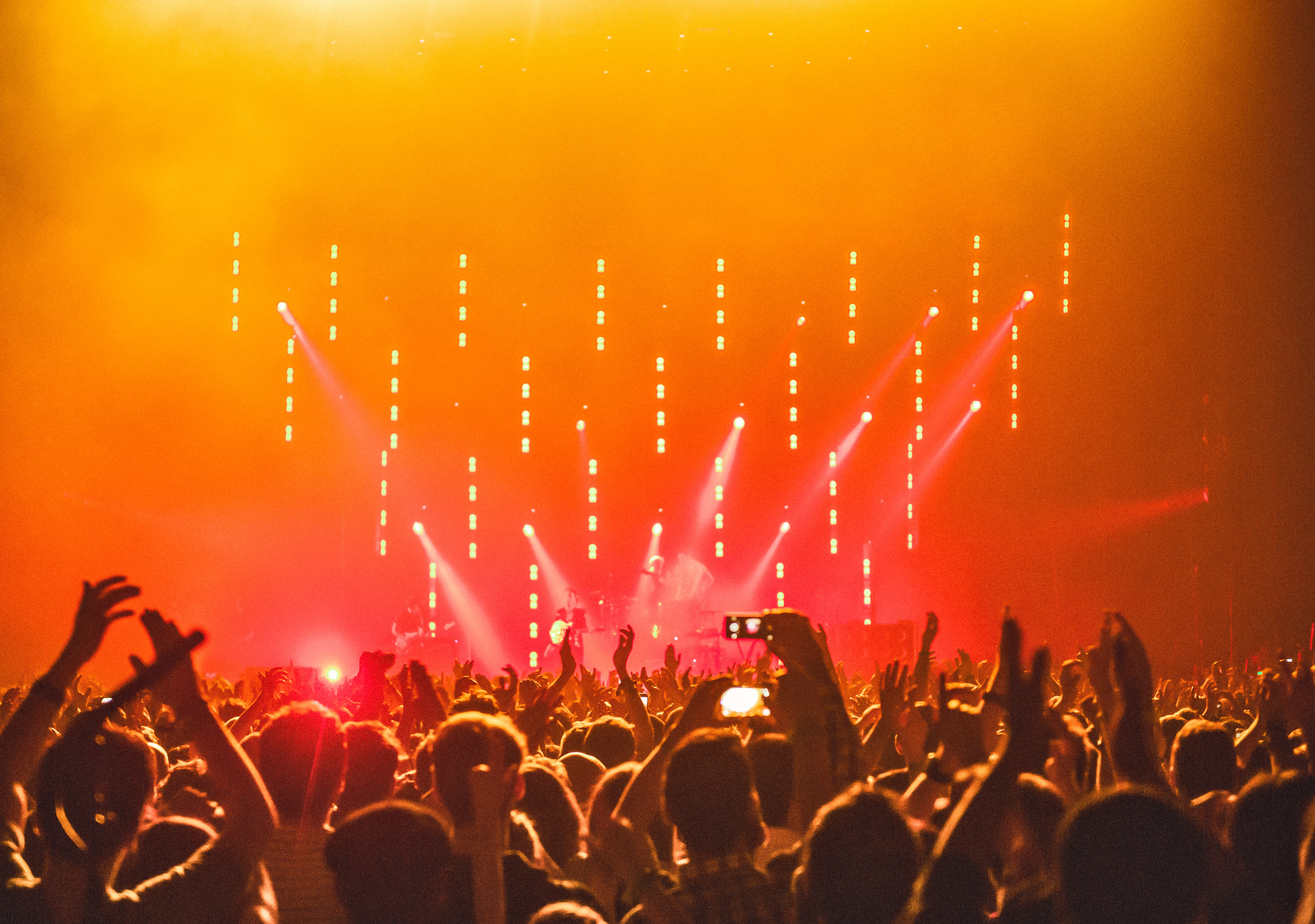
A few weeks ago I went to watch a film at the cinema. I had booked the tickets in advance, but once we had taken our seats and the film started, no subtitles appeared.
We asked the staff to turn on the subtitles, but they couldn’t. The projector in that screen wasn’t able to handle subtitles, apparently. So I decided to leave because I wouldn’t have enjoyed the film without subtitles. The cinema gave us gift vouchers as compensation, but it would have been nice if it hadn’t been necessary.
Unfortunately, this is not uncommon with subtitled screenings. Plus, there’s only a limited number of subtitled films shown every week, and sometimes there aren’t any at all. So if a film I want to watch isn’t being screened with subtitles, I can’t watch it. Someone without hearing loss can choose to see any film at any time. They have a much greater choice.
I would go to the cinema every week if every film had a subtitled option. But the fact is, there is just not enough choice for deaf and hard-of-hearing cinema goers.
Subtitled glasses are a promising option, but, as I wrote here, they still need further improvement.
Hotel room accessibility
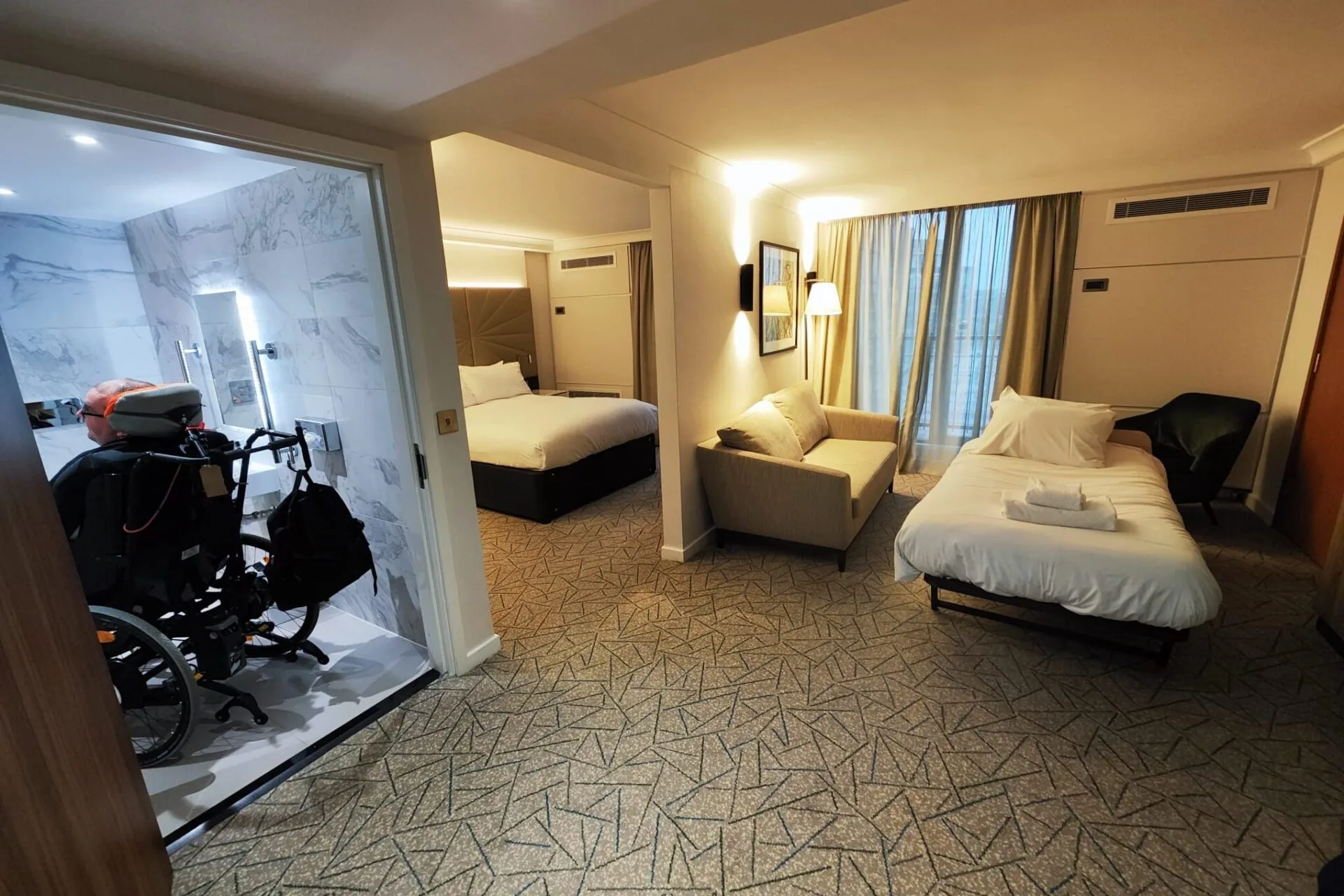
Whenever I visit places around the UK, I have to look for accessible accommodation. Usually, this is a hotel, and sometimes, if we are lucky, an accessible cottage.
However, the standard of accessibility in hotels varies widely. Most of them have accessible rooms, which are manageable at best. Not great, but not terrible. For example, they often have carpets, which make moving a manual hoist more difficult. The beds need to be rearranged to maximise space. Sometimes there is not enough space underneath the bed to get my heist underneath it.
However, it doesn’t have to be like that. Some hotels have excellent accessible rooms. Like the London archway Premier Inn, which has 16 accessible rooms, 9 of which have ceiling hoists. Sadly, this is the exception, not the rule. But if they can have rooms with ceiling hoists, then why can’t they all?
It would make life so much easier if accessible rooms had a ceiling hoist. I wouldn’t need to bring along my manual hoist. I wouldn’t need to worry about there being enough space in the room. It wouldn’t matter if the floor were carpeted or not.
Big hotel chains like Hilton, Marriott, and Travelodge can definitely afford to have at least one accessible room with a ceiling hoist in each hotel. So why don’t they do it? It’s just not good enough.
There are fewer than 17 hotels in the WHOLE of the UK and Ireland that can offer their guests a room with a ceiling hoist.
Flight accessibility
Whenever I travel on an aeroplane, I’m not allowed to stay in my own chair. Before I start boarding, I need to be lifted into a very narrow and uncomfortable aisle chair. Then I am squeezed down the aisle, literally rubbing shoulders with everybody as I go, before being unceremoniously dumped into my seat.
No hoists are used in this process. It’s usually two guys who physically pick me up and lift me onto the aeroplane seat. Anywhere else, this would not be allowed because it would violate health and safety laws. I could be dropped. They could hurt their back while lifting me. They could injure me in the process. It’s such an outdated method of manoeuvring disabled people. It’s like things have not changed since the 50s. Surely they could have worked out a way to use a hoist to transfer people into the plane seats. Or designed away for disabled people to stay in their own wheelchairs.
If I could remain in my own chair throughout the whole flight, it would be MUCH more comfortable.
But it’s not just the manhandling that is the problem.
After everybody gets off, I need to wait for the accessibility people to come and haul me off again. That’s if they come at all. Some disabled people get left on the plane for ages waiting for assistance.
Then my cheque gets brought back, which may or may not be damaged by the baggage handlers. It’s very common for wheelchairs to be broken by them because they are not adequately, or at all, trained.
Also, I can’t get to the toilet on a flight, so I just need to limit what I drink. I don’t drink anything 2 hours before the flight for fear of needing a wee during it. It’s not healthy or comfortable, but I don’t have much choice.
Conclusion
As you can hopefully see, there is still a long way to go for disability equality. It’s been 30 years since the Disability Discrimination Act (1995) was introduced, and I hope it won’t take another 30 years for society to become truly accessible for everyone. Disabled people are the largest minority group, which ANYONE can become a part of at any time, through injury, disease, or old age. So it makes logical sense to make society as accessible as possible.